Books We Read
Every book on our Reading & Writing plan, sorted by level from PreK to high school. Books marked Read in class are ones our classes have already finished; the rest are class reads, read-alouds and library-shelf picks for 2026–27.
Level 1 · Sounds & Letters
Children learn letter sounds, blend them into words, and hear picture books read aloud every day. By June they read simple words and a first decodable book, and write a sentence of their own.
-
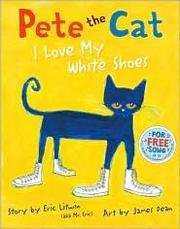
Pete the Cat I Love My White Shoes
Eric Litwin
Read in class · Ms. O’Neill’s Little Readers & Writers
Find it on Amazon →
-
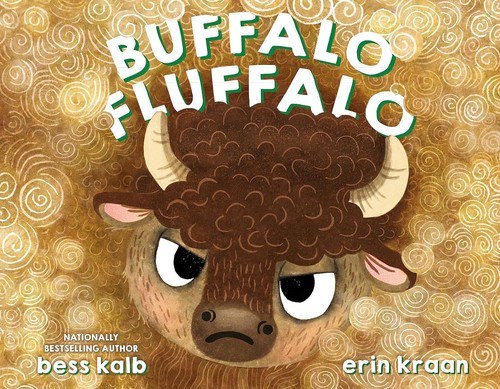
Buffalo Fluffalo
Bess Kalb
Read in class · Ms. O’Neill’s Little Readers & Writers
Find it on Amazon →
-
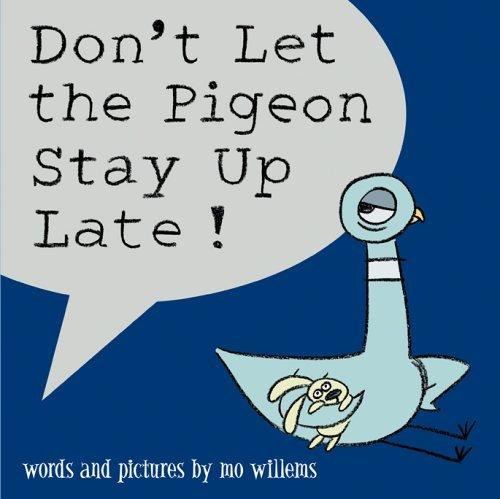
Don’t Let the Pigeon Stay Up Late
Mo Willems
Read in class · Little Readers & Writers
Find it on Amazon →
-
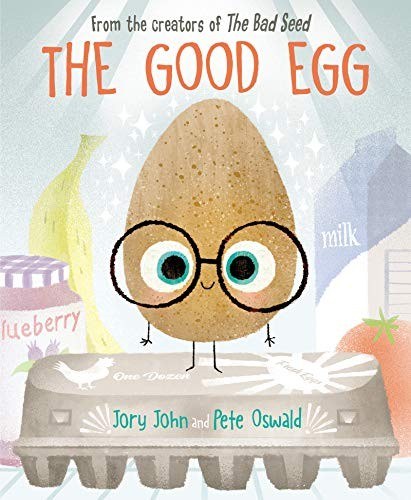
The Good Egg
Jory John
Read in class · Ms. O’Neill’s Little Readers & Writers
Find it on Amazon →
-
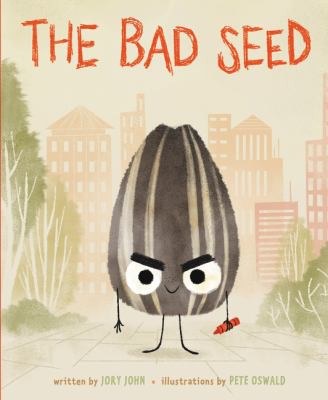
The Bad Seed
Jory John
Read in class · Ms. O’Neill’s Little Readers & Writers
Find it on Amazon →
-
The Smart Cookie
Jory John
Read in class · Ms. O’Neill’s Little Readers & Writers
Find it on Amazon →
-
The Sour Grape
Jory John
Read in class · Ms. O’Neill’s Little Readers & Writers
Find it on Amazon →
-
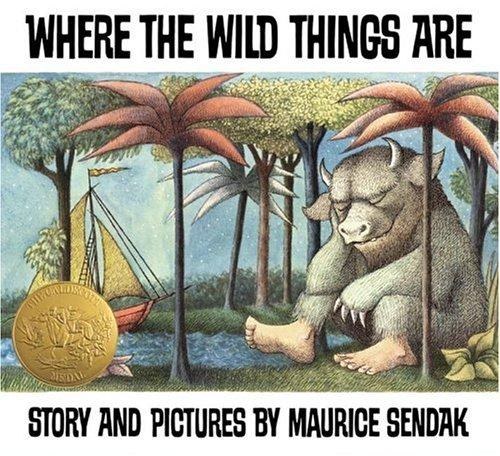
Where the Wild Things Are
Maurice Sendak
Read in class · Little Readers & Writers
Find it on Amazon →
-
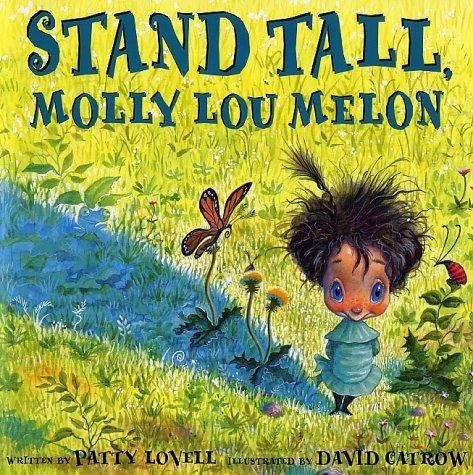
Stand Tall Molly Lou Melon
Patty Lovell
Read in class · Little Readers and Writers PreK–K
Find it on Amazon →
-
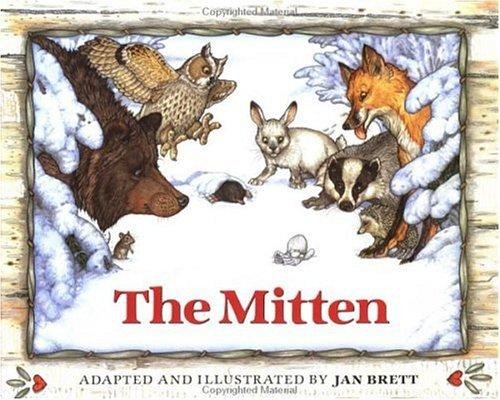
The Mitten
Jan Brett
Read in class · Ms. O’Neill’s Reading and Writing
Find it on Amazon →
-
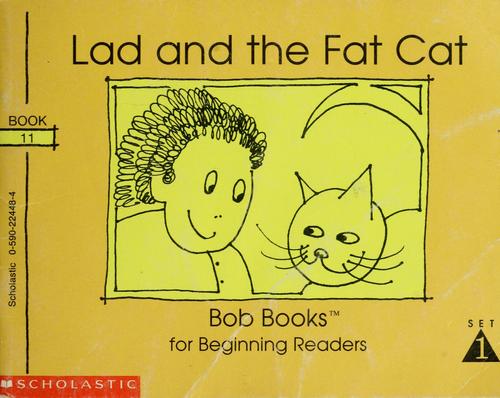
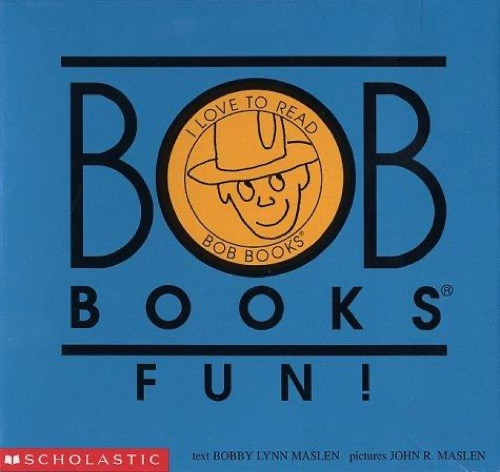
Bob Books Set 1: Beginning Readers
Bobby Lynn Maslen
Class read · Decodable books children read themselves
Find it on Amazon →
-
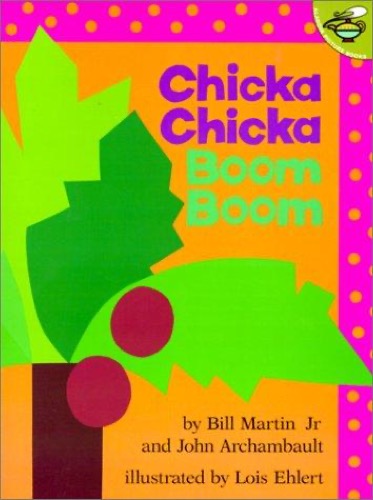
Chicka Chicka Boom Boom
Bill Martin Jr. & John Archambault
Read-aloud · Letters
Find it on Amazon →
-
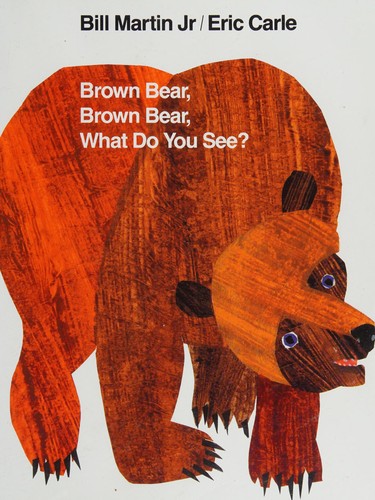
Brown Bear, Brown Bear, What Do You See?
Bill Martin Jr. & Eric Carle
Read-aloud · Patterns and sight words
Find it on Amazon →
-
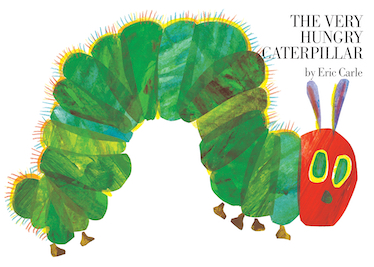
The Very Hungry Caterpillar
Eric Carle
Read-aloud · Sequence and retelling
Find it on Amazon →
-
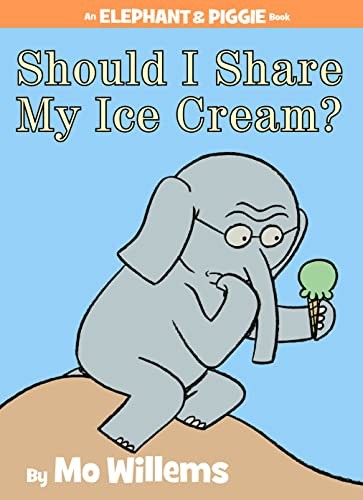
Should I Share My Ice Cream?
Mo Willems
Read-aloud · Sharing opinions
Find it on Amazon →
-
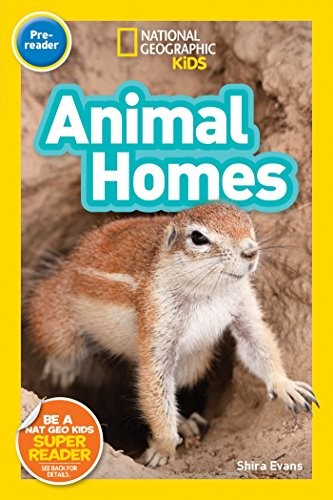
National Geographic Kids Pre-Readers
National Geographic Kids
Read-aloud · Facts vs. stories
Find it on Amazon →
-
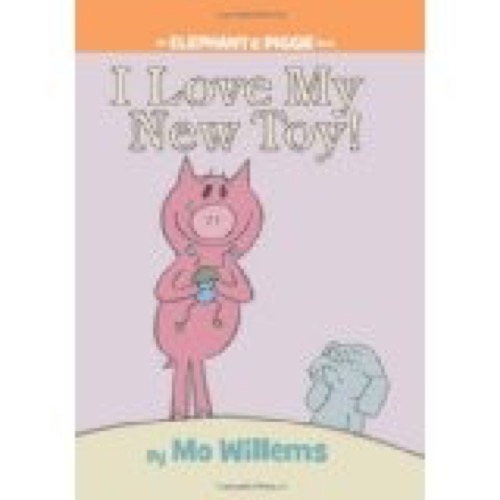
Elephant & Piggie series
Mo Willems
Library shelf · Levels 1–2
Find it on Amazon →
-
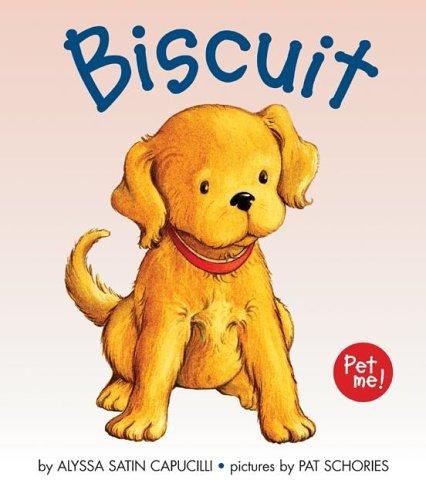
Biscuit series
Alyssa Satin Capucilli
Library shelf · Levels 1–2
Find it on Amazon →
-
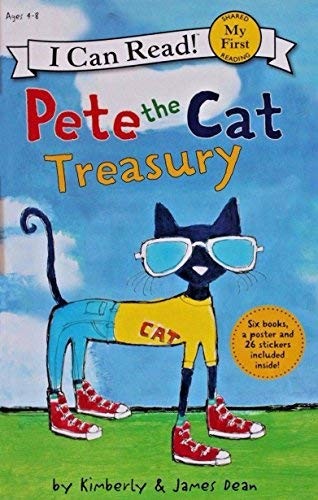
Pete the Cat I Can Read series
James Dean
Library shelf · Levels 1–2
Find it on Amazon →
Level 2 · Learning to Read
Phonics turns into real reading, through decodable readers and first chapter books. By June students read an early chapter book on their own and write a short story, an opinion piece and a fact piece.
-
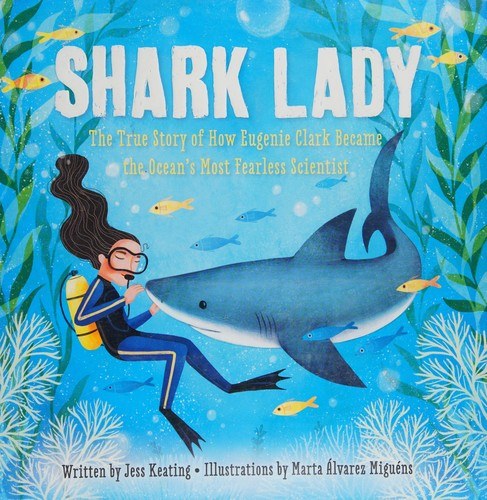
Shark Lady
Jess Keating
Read in class · Grade 1 and Kindergarten · Ms. D’Achille · Sept 2026
Find it on Amazon →
-
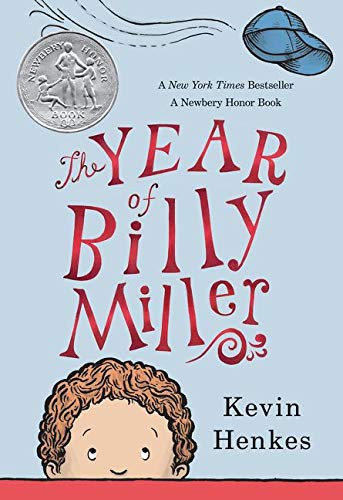
The Year of Billy Miller
Kevin Henkes
Read in class · Grade 1 · Ms. D’Achille · Sept 2026
Find it on Amazon →
-
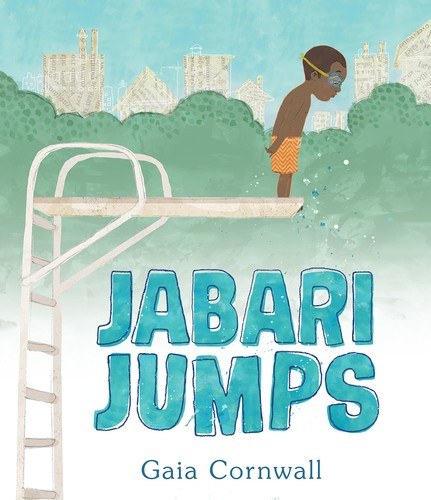
Jabari Jumps
Gaia Cornwall
Read in class · Grade 1 · Ms. Wolf · Sept 2026
Find it on Amazon →
-
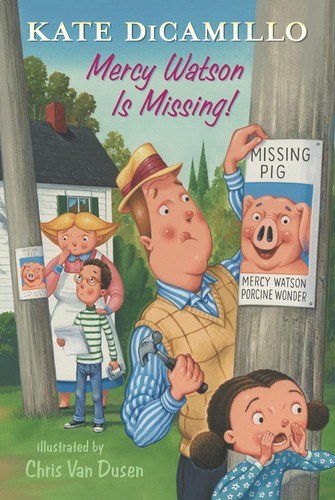
Mercy Watson is Missing
Kate DiCamillo
Read in class · Level 1 Reading and Writing · summer camp
Find it on Amazon →
-
Bob Books Set 2
Bobby Lynn Maslen
Class read · Decodable practice: blends, silent e
Find it on Amazon →
-
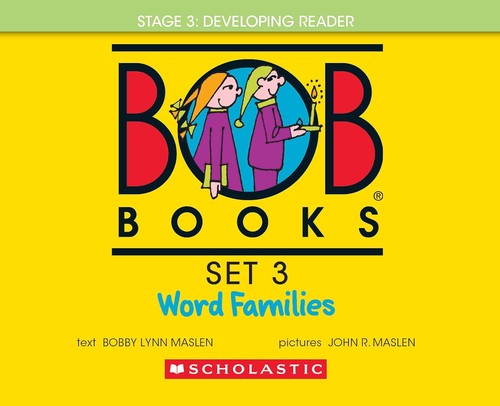
Bob Books Set 3
Bobby Lynn Maslen
Class read · Decodable practice: vowel teams
Find it on Amazon →
-
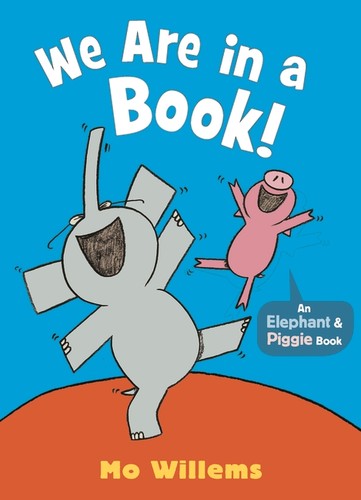
We Are in a Book!
Mo Willems
Class read · Fluency and expression
Find it on Amazon →
-
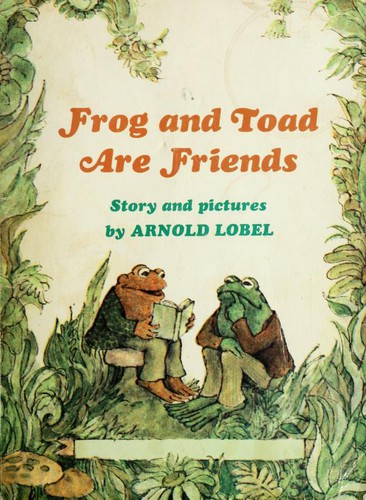
Frog and Toad Are Friends
Arnold Lobel
Class read · Character and sequence
Find it on Amazon →
-
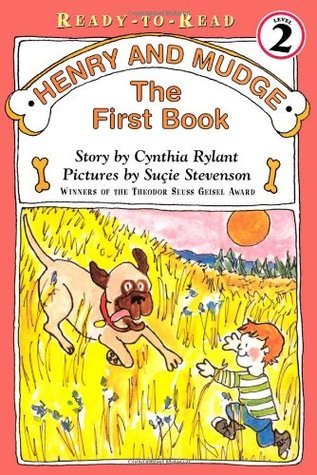
Henry and Mudge: The First Book
Cynthia Rylant
Class read · First chapter book
Find it on Amazon →
-
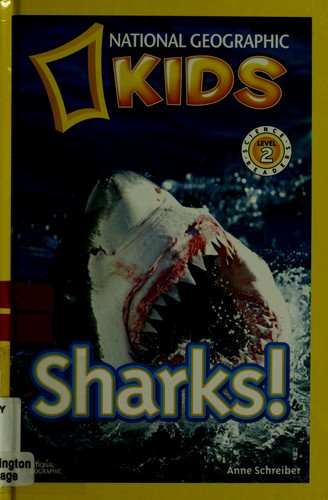
National Geographic Kids Readers
National Geographic Kids
Class read · Facts and pictures · Levels 1–3
Find it on Amazon →
-
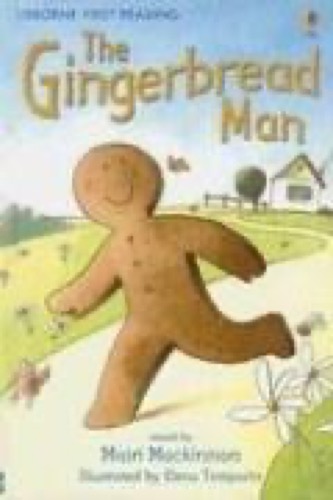
The Gingerbread Man
Traditional
Read-aloud · Comparing versions of a story
Find it on Amazon →
-
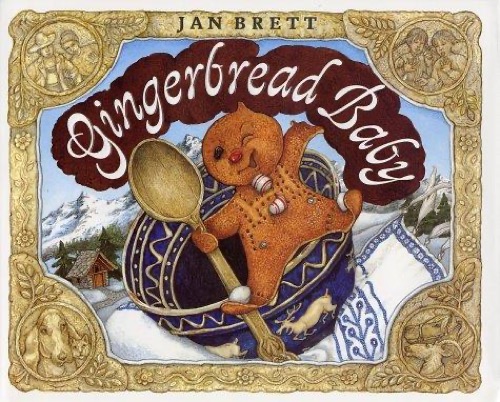
Gingerbread Baby
Jan Brett
Read-aloud · Comparing versions of a story
Find it on Amazon →
-
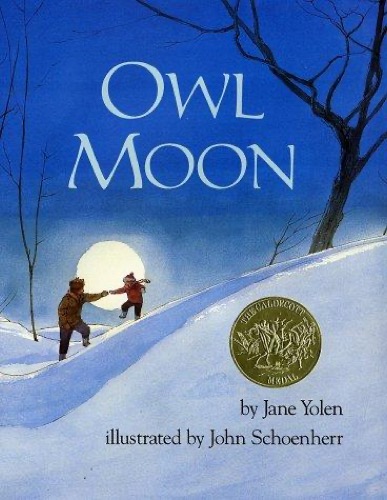
Owl Moon
Jane Yolen
Read-aloud · Small-moment writing
Find it on Amazon →
-
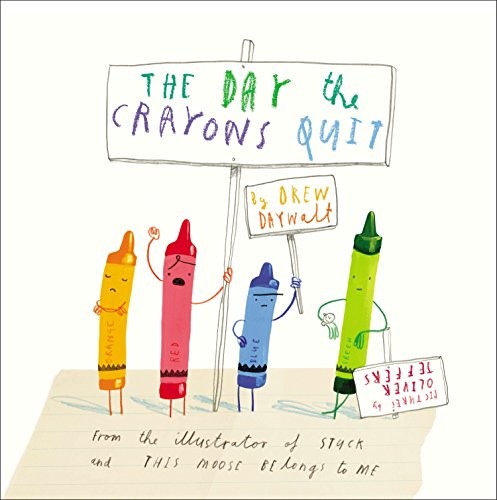
The Day the Crayons Quit
Drew Daywalt
Read-aloud · Opinion writing
Find it on Amazon →
-
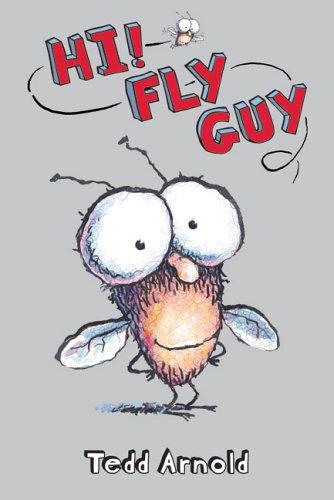
Fly Guy series
Tedd Arnold
Library shelf · Level 2
Find it on Amazon →
Level 3 · Fluent Reading
Students build reading speed and stamina and start their first class novels. By June they read chapter books with understanding and write organized paragraphs.
Level 4 · Reading to Learn
Reading shifts from learning how to read to reading to learn, with classic chapter books, biographies and poetry. By June students state a story’s lesson, summarize nonfiction and write multi-paragraph pieces.
Level 5 · Deeper Comprehension
Longer novels, myths and poems push students to look deeper at theme and at how characters change. By June they write an argument essay and a research report.
Level 6 · Evidence & Analysis
Students back every idea with evidence from the text and learn to compare two sources. By June they write essays that answer the other side and cite their sources.
Level 7 · Argument & Theme
Novels and classic short stories are the starting point for finding a theme and defending it. By June students write a full essay with a claim, evidence and a counterclaim.
Short stories, poems & speeches
- Charles Shirley Jackson Amazon
- Thank You, Ma’am Langston Hughes Amazon
- The Gift of the Magi O. Henry Amazon
- The Ransom of Red Chief O. Henry Amazon
- The Road Not Taken Robert Frost Amazon
Level 8 · Analytical Writing
Coming-of-age novels, memoir and suspense stories, read while learning to judge how strong an argument is. By June students write a cited analytical essay and a research paper.
Short stories, poems & speeches
- The Tell-Tale Heart Edgar Allan Poe Amazon
- The Most Dangerous Game Richard Connell Amazon
- The Monkey’s Paw W.W. Jacobs Amazon
- Nothing Gold Can Stay Robert Frost Amazon
Level 9 · Literary Analysis
High school classics and Shakespeare, read closely for the author’s choices: tone, structure and irony. By June students write a sustained analytical essay.
Short stories, poems & speeches
- The Cask of Amontillado Edgar Allan Poe Amazon
- The Necklace Guy de Maupassant Amazon
- The Story of an Hour Kate Chopin Amazon
- Ozymandias Percy Bysshe Shelley Amazon
Level 10 · Research & Rhetoric
American classics, famous speeches and essays, studied for how writers persuade. By June students analyze rhetoric and write a research argument and a personal essay.
Short stories, poems & speeches
- The Gettysburg Address Abraham Lincoln Amazon
- Politics and the English Language George Orwell Amazon
- Letter from Birmingham Jail Martin Luther King Jr. Amazon
More Short Stories
Short stories our classes have already read and analyzed together — mostly in Mr. A’s literary analysis and Mrs. Mercier’s classes.
- All Summer in a Day Ray Bradbury Amazon
- The Pie Gary Soto Amazon
- My Name Sandra Cisneros Amazon
- The Open Window Saki Amazon
- The Lottery Shirley Jackson Amazon
- The Chaser John Collier Amazon
- After Twenty Years O. Henry Amazon
- The Last Leaf O. Henry Amazon
As an Amazon Associate we earn from qualifying purchases. We link only to books on our class reading lists.