Why this book
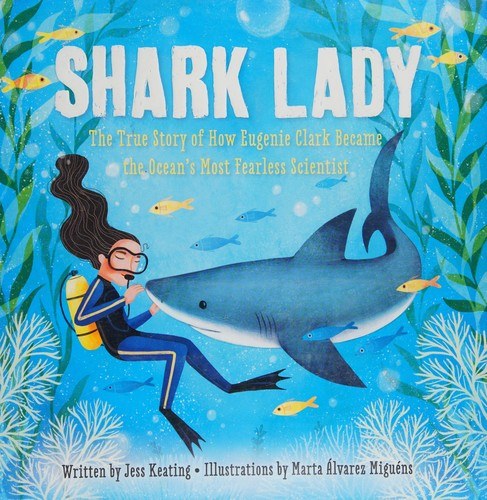
Most picture books a young child meets are invented. Shark Lady is not. It is the true story of Eugenie Clark, who became fascinated by sharks after a childhood visit to an aquarium and grew up to study them so closely that she helped overturn the popular idea that sharks are mindless, dangerous predators. That work earned her the nickname, in a field that at the time had very few women in it.
That combination is rarer than it sounds, and it is exactly why we chose it. The child gets a real person worth admiring. We get a book of facts that still has a character, a setting, and feelings — the three things a beginning reader has to learn to find.
As an Amazon Associate we earn from qualifying purchases.
The skill we are building
Ask a six-year-old what happened in a made-up story and most of them can tell you. Ask the same child about an informational book and many go quiet. They have quietly learned that facts are something to memorize rather than something to follow.
So we read Shark Lady as a story. Who is this about? Where is she? How does she feel when something goes wrong? Children answer those questions easily about a fox or a dragon. Doing it about a real scientist is the step that turns them into readers of nonfiction — which is most of what they will read for the rest of school.
How we practice it
After the read-aloud, each child draws their favorite scene. That is not art time. A drawing shows us what a child actually understood — which moment mattered to them, whether they placed the setting correctly, whether the feeling landed — long before they have enough writing to tell us themselves.
Alongside it sits the ordinary work of learning to read: phonics practice, and a short writing check so the teacher knows where each child is starting from.
The same book, two levels
We read Shark Lady in Kindergarten as well as in Grade 1. Same book, different depth. Kindergarten names the character and the setting. Grade 1 adds how the character feels, and why.
Using one strong book at two levels is deliberate. A child who meets it again already knows the shape of the story, so none of their attention goes to figuring out what happens — all of it can go to the harder question of why.
What you can do at home
This is the entire assignment we send home with our Kindergarten families, and it takes about five minutes. Read a story with your child. Look at the pictures together. Ask how the character is feeling.
No reading level is required, and it does not have to be this book. You are practicing the same skill we practice in class, which is all we are asking for.
Curious what a Reading and Writing class is like? Come see one for yourself.
Register for a tryout class →