Why this book
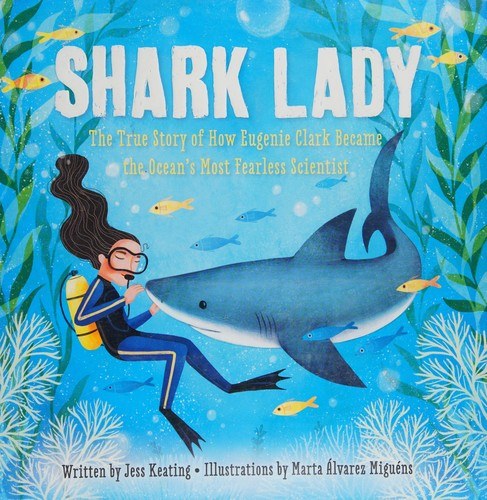
Every book we choose for Grade 1 Reading & Writing has a job to do. Through the start of September, that job belonged to Shark Lady by Jess Keating, a nonfiction story the class used to practice finding character, setting, and feelings inside a book of facts, and to work on main idea and supporting details.
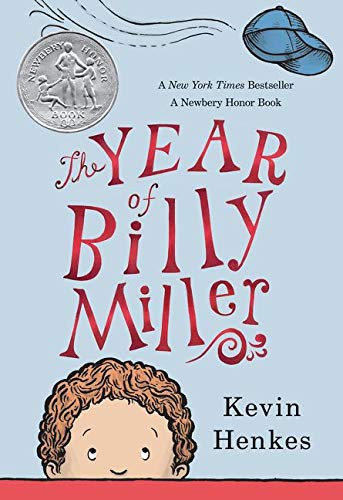
On September 9, the class opened its first chapter book of the year: The Year of Billy Miller by Kevin Henkes. A chapter book asks more of a young reader than a single picture book does: the same characters and the same vocabulary have to be carried from one sitting to the next, across weeks instead of one read-aloud. By September 16, the class was into chapter two.
As an Amazon Associate we earn from qualifying purchases.
The skill we are building
The work in each chapter follows the same shape: pull out that chapter's vocabulary words, then use them. The class reads a passage built from the week's words, answers questions about it, and talks through synonyms and antonyms, so a word gets used more than once, in more than one way, before it counts as learned.
Characters get the same treatment. The class discusses who is in the chapter and what happens to them, and the students share their own thoughts about the story: not just what a character did, but what they think about it.
The homework matches that philosophy. After the first chapter, the note home from teacher Laureta D'Achille was direct: there will not be a test on the vocabulary words. She asked families to use them in conversation with their child instead.
How we practice it
Each class session works through the book the same way: read the chapter, identify its vocabulary, and talk through what happened, the events, the characters, and what the students themselves think about the story.
The September 16 class, on chapter two, covered all of it in one sitting: vocabulary, the chapter's events, a discussion of the characters, a passage built from the vocabulary words with questions to answer afterward, and synonyms and antonyms. Homework that day was "Sentence-level Context #1–5," from the student notebook.
What came before it
The three weeks before Billy Miller were groundwork. September 2 through 5, the class read Shark Lady, talking about character, setting, and how the main character feels, and each student drew a picture of a favorite scene. On September 8, they read a story and worked on main idea and supporting details. On September 14 and 15, they identified nouns and verbs in sentences (nouns name people, places, and things; verbs are action words that tell what someone or something is doing) and practiced periods, question marks, and exclamation points.
Each of those is a small, separate skill. A chapter book asks a child to use several at once: noticing a character's feeling, reading a correctly punctuated sentence, holding a vocabulary word in mind across pages. This term's stated goals cover the same ground: reading fluency and comprehension; vocabulary and phonics; writing complete sentences and short stories; spelling, grammar, and punctuation; creative expression; and confidence as independent readers and writers. The Year of Billy Miller is where several of them meet in one book.
What you can do at home
The assignment that comes with this book is short, and it is exactly what the teacher asks for: talk about the vocabulary words with your child. No worksheet, no test. Use the word again over dinner, or ask your child to use it in a sentence about their own day.
If your child brings home "Sentence-level Context" pages from the notebook, that is the written half of the same practice: taking a word and placing it correctly in a sentence.
If you want to see a Grade 1 Reading & Writing class in person, a single tryout class is $35, and it credits toward your first month if you enroll.
Curious what a Reading and Writing class is like? Come see one for yourself.
Register for a tryout class →